What Materials Are Trophies and Medals Made From?
Trophy materials generally fall into three groups: traditional options like metal, glass and timber; modern choices like acrylic, crystal and resin and durable options like zinc alloy and aluminium used mainly for medals. Each material trades off differently on durability, appearance, cost and turnaround and the right pick depends far more on the occasion than any single "best" material. Understanding these trade-offs upfront saves a lot of back-and-forth once you're ready to order.
Why Trophy & Medal Materials Matter
The material behind an award shapes more than how it looks on the day. It affects how well engraving holds up over years of handling, how the piece survives a humid Queensland shed or a busy trophy cabinet and how much of the budget goes towards the material itself versus engraving and finishing. A cheap material that scratches or fades within a season undermines the whole point of giving an award in the first place, so it's worth understanding the options before locking in a design.
Traditional Materials: Metal, Glass and Timber
Among traditional trophy materials, metal has been the default for generations and for good reason. Cast metal cups and figures hold detail well, take engraving cleanly and last for decades with basic care, which is why they remain common for premier sporting trophies and long-service awards.
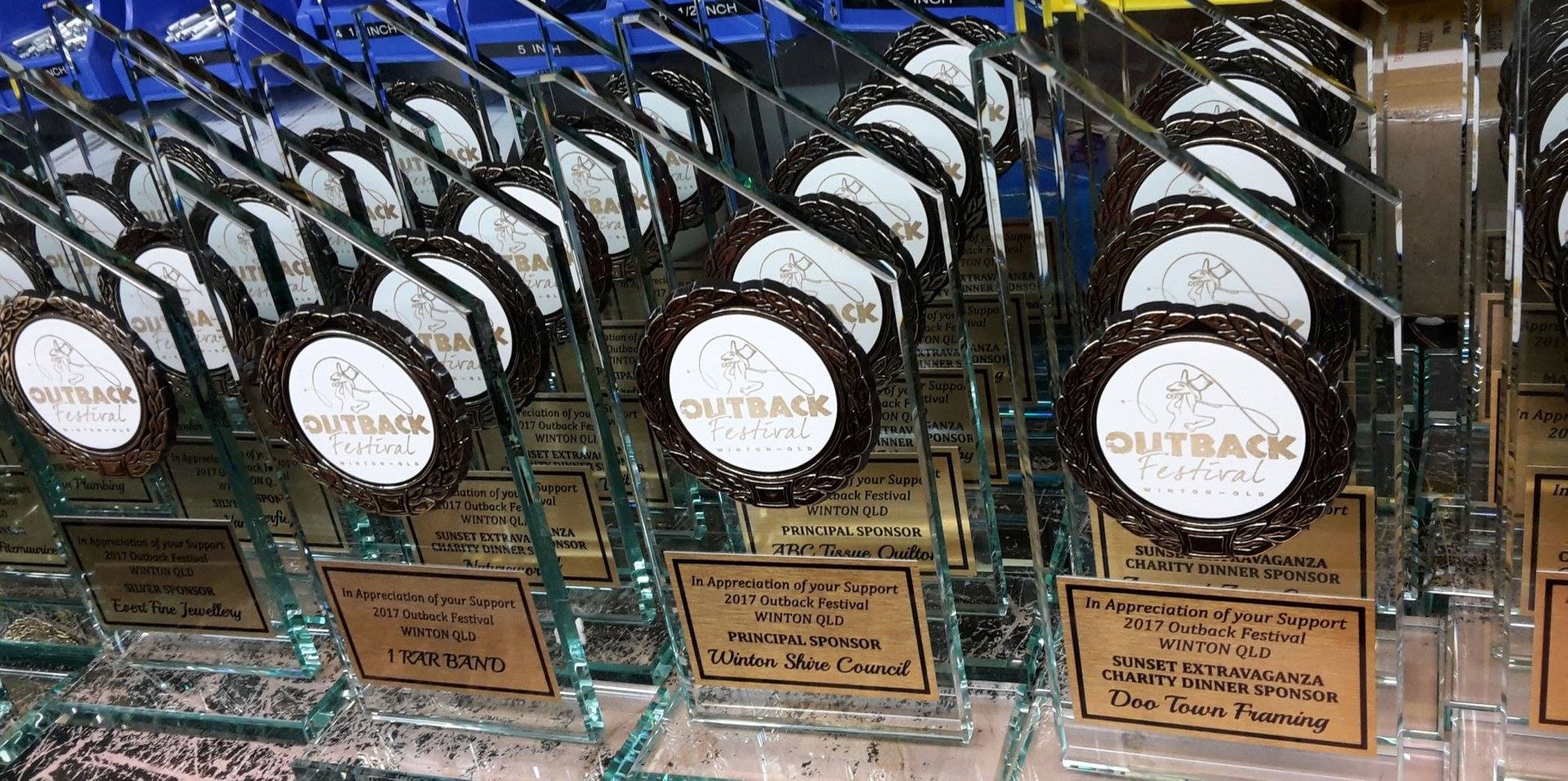
Glass brings a different kind of presence. It's typically used for plaques and standing awards where a clear, reflective surface adds a premium feel and modern glass options are far more chip-resistant than older styles. Timber, meanwhile, gives a warmer, more traditional look and is often paired with an engraved metal or acrylic plate, making it a popular choice for retirement gifts, academic honour boards and community recognition awards where a classic aesthetic matters more than a modern one.
Modern Materials: Acrylic, Crystal, Resin and Aluminium
Acrylic has become one of the most requested trophy materials over the past decade, largely because it's lightweight, affordable and can be cut, layered or printed in almost any shape or colour. It suits modern corporate branding particularly well, since logos and colour schemes translate cleanly onto acrylic in a way that's harder to achieve with metal.
Crystal sits at the premium end of the modern range. It has genuine weight and clarity and it photographs beautifully, which is part of why it's a common choice for flagship
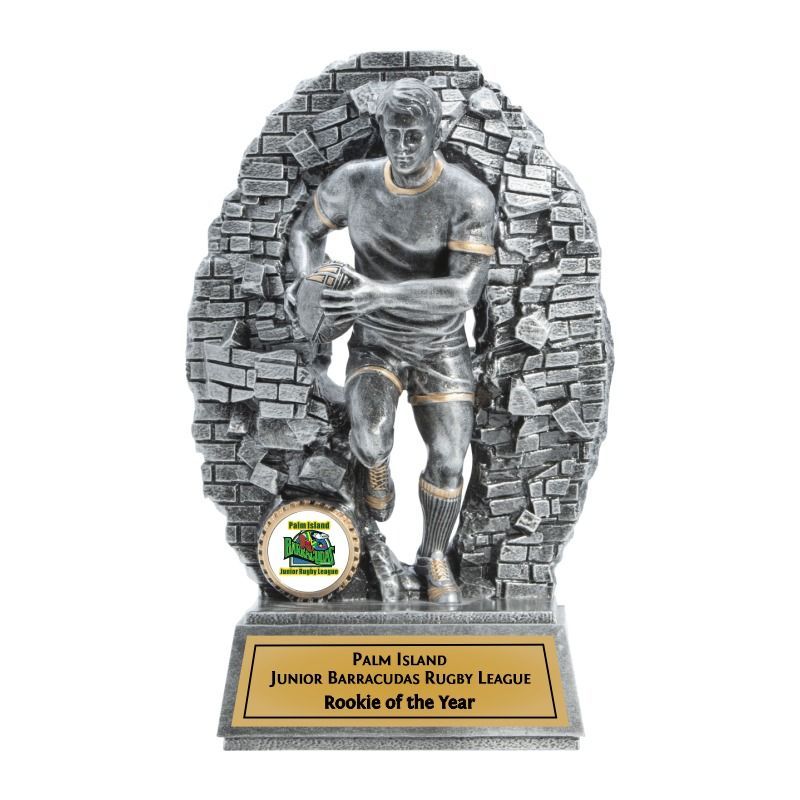
corporate awards and major sporting finals. Resin offers a middle ground: it can be moulded into detailed figures and shapes at a lower cost than crystal, making it popular for sporting trophies where a specific pose or action shape matters. Aluminium, often used for medals and lightweight trophies, holds a laser-etched finish well and resists corrosion, which matters for anything destined for an outdoor cabinet or a coastal climate.
Zinc Alloy & Recycled Material Options
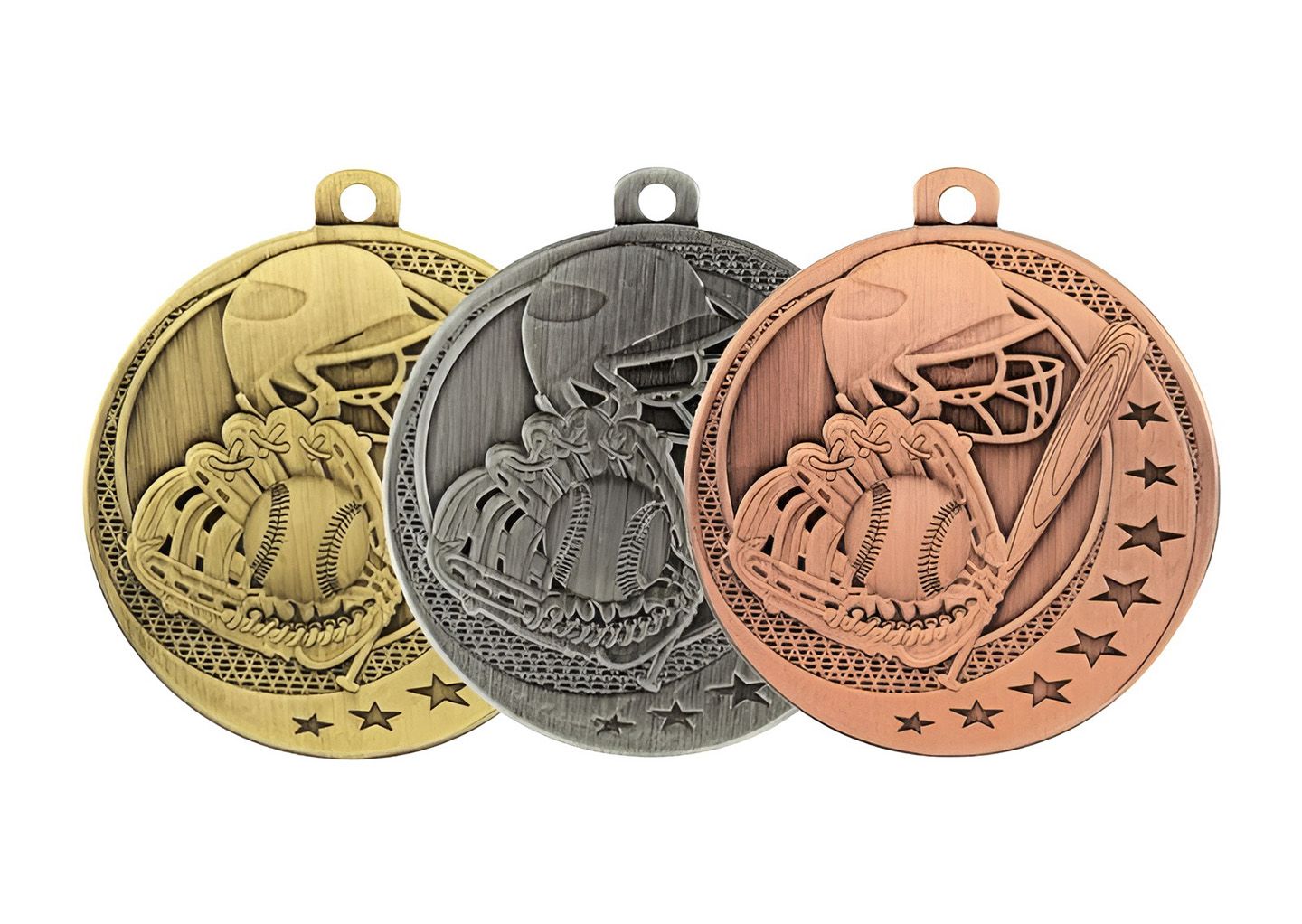
Zinc alloy is the standard material behind most gold, silver and bronze medals. It's durable, holds fine detail from the die-casting process and is significantly more affordable at volume than solid metal, which matters when a club or school needs dozens or hundreds of medals for a single event. Enamel fill is commonly added on top of zinc alloy medals to bring colour into the design without affecting the underlying durability.
Recycled and reclaimed materials are increasingly available for both trophies and medals, including recycled acrylic and reclaimed timber bases. These options generally perform on par with their non-recycled counterparts, so choosing them is more about value alignment for the organisation than any real compromise on quality or durability.
Comparing Materials: Durability, Appearance, Cost and Ideal Applications
The table below sets out how the main trophy materials compare, so you can weigh durability against appearance and cost at a glance.
| Material | Durability | Appearance | Relative Cost | Best For |
|---|---|---|---|---|
| Metal (cast) | Very high | Classic, formal | Higher | Premier trophies, long-service awards |
| Glass | High (modern glass is chip-resistant) | Premium, reflective | Mid-high | Corporate plaques, standing awards |
| Timber | High with sealing | Warm, traditional | Mid | Retirement gifts, honour boards |
| Acrylic | Moderate-high | Modern, colourful | Low-mid | Corporate branding, custom shapes |
| Crystal | High | Premium, striking | High | Flagship corporate and finals awards |
| Resin | Moderate | Detailed, sculptural | Low-mid | Sporting figures, action poses |
| Aluminium | High, corrosion-resistant | Sleek, modern | Low-mid | Medals, lightweight trophies |
| Zinc alloy | High | Detailed, classic medal finish | Low | Sporting and school medals |
Engraving & Printing Methods for Each Material
The engraving or printing method needs to match the material for the best result. Metal and glass typically take diamond drag engraving or laser etching well, both of which cut a clean, permanent line into the surface without needing paint fill. Acrylic and resin generally suit UV printing or sublimation, which allows full-colour logos and photos rather than just single-colour engraved text.
Timber usually carries an engraved metal or acrylic plate rather than being engraved directly, since direct engraving on timber can be harder to read at a distance. Aluminium and zinc alloy medals are almost always die-struck or laser-etched, then finished with enamel colour fill where a logo or design calls for it. Getting this pairing right at the design stage avoids a finish that looks washed out or wears off within a year or two.
Choosing the Right Material for Sporting, Corporate & Academic Awards
Sporting trophies generally favour resin or metal figures for individual events and zinc alloy medals for team and participation awards, since both hold up well to being handled, transported and displayed in a busy sports club environment. Corporate awards lean towards a more premium presentation and glass, crystal and timber are popular picks here, where a more polished look is often expected for milestone and recognition events.
Academic awards sit somewhere in between. Acrylic and timber both work well for honour boards, subject prizes and graduation trophies, balancing a professional look with a more accessible price point for schools ordering in volume. If you'd like a material or finish not covered here, our
custom trophies service can accommodate almost any request, including combinations of materials on a single piece.
Sustainability Considerations
Sustainability has become a genuine factor in material selection, not just a fringe request. Recycled acrylic, reclaimed timber and responsibly sourced metals are all viable without sacrificing the durability or appearance most clients want from an award. For clubs and schools wanting to go greener, our guide to sustainable trophy materials covers eco-friendly options in more depth, including how they compare on cost and lead time.
It's also worth considering longevity as part of sustainability. A well-made metal or glass trophy that lasts decades has a smaller long-term footprint than a cheaper option replaced every few years, so durability and sustainability often point in the same direction.
Frequently Asked Questions
Choosing the right trophy or medal material comes down to matching durability, appearance and budget to the occasion, rather than defaulting to whatever's most familiar. If you're planning an order and want guidance on the best material for your event,
get in touch with NQ Plaques & Trophies on
(07) 4773 7296 and our team can talk you through the options.